News
The Turquoise Guardian of the Caribbean: The Ultimate Snorkeling Guide to Isla Mujeres and the Secret of an Exclusive Reef
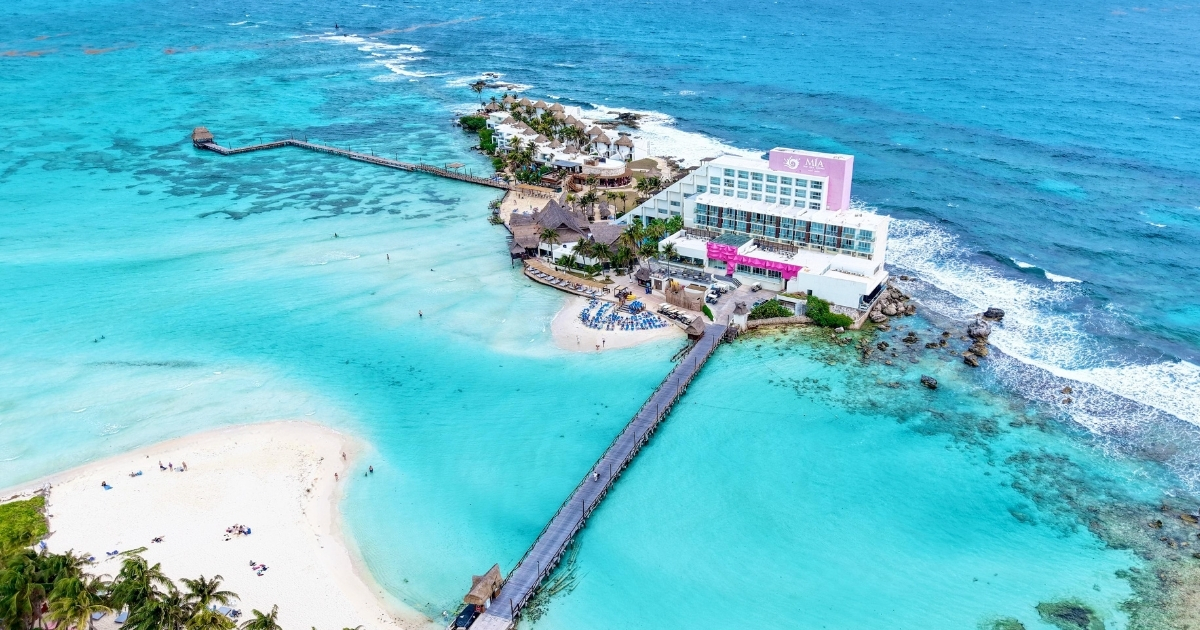
"Isla Mujeres is home to one of the greatest biodiverse treasures of the Mexican Caribbean: the Mesoamerican Barrier Reef System, the second-largest coral reef in the world. Its crystal-clear, shallow waters host more than 60 species of coral and 500 species of fish, offering vertical visibility that exceeds 100 feet (30 meters). This underwater adventure is deeply tied to Playa Norte, consecutively recognized by the Tripadvisor Travelers' Choice Awards as the best beach in Mexico and one of the best in the world. Its unique geography turns it into a perfect, safe natural pool for exploring the ecosystem.
The Mexican Caribbean is globally renowned for the intensity of its blues, but there is an exact geographical point where the sea stops being just a body of water and transforms into a living aquarium of epic proportions. We are talking about Isla Mujeres, a paradise barely 4.3 miles (7 kilometers) long where nature decided to concentrate some of its greatest biodiverse treasures.
If you are planning your next getaway and underwater exploration stands out on your bucket list, this article will guide you through the ultimate snorkeling experience on the island with real, scientific, and logistical data. From the secrets of its coral reef to how to experience this adventure in a completely exclusive way and at no additional cost.
The Great Mayan Reef: A One-of-a-Kind Ecosystem
Snorkeling in Isla Mujeres is not simply swimming alongside a few fish; it is immersing yourself in the Mesoamerican Barrier Reef System (MBRS), also known as the Great Mayan Reef. Stretching over 620 miles (1,000 kilometers) from the northern tip of the Yucatan Peninsula (near Isla Contoy) all the way to Honduras, this is the second-largest coral reef barrier in the world, surpassed only by Australia's Great Barrier Reef.
What makes the reef in the Isla Mujeres area truly unique is its strategic location. Here, the currents of the Caribbean Sea converge with those of the Gulf of Mexico, creating a nutrient upwelling that feeds more than 60 species of stony coral and over 500 species of fish. Iconic local formations such as the Manchones Reef (a natural wonder nearly 7.5 miles long) or the famous El Farito act as gigantic natural barriers that break the waves. This ensures that the inner waters remain as calm, crystal-clear, and shallow as a natural pool, offering vertical visibility conditions that frequently exceed 100 feet (30 meters).
Playa Norte: The World-Approved Perfect Pool
Any snorkeling adventure on the island is intrinsically linked to its most famous coastline: Playa Norte. This stretch of sand is not only considered by locals as a proud jewel of Quintana Roo; it holds strict international accolades that solidify it at the pinnacle of global tourism.
Playa Norte has been consecutively recognized in the prestigious Tripadvisor Travelers' Choice Awards as the Best Beach in Mexico and ranks firmly within the Top 10 and Top 20 Best Beaches in the World (achieving honorary positions such as number 9 globally). This recognition is of invaluable technical worth, as it is not decided by a closed committee, but by the algorithmic analysis of millions of reviews and ratings from real travelers who evaluate water quality, the cleanliness of the white sand (which does not heat up in the sun due to its coral fragment composition), and the safety of the environment.
The result is a gigantic basin of turquoise waters where you can walk a hundred yards out to sea and the water will hardly surpass your waist, creating the perfect and safe environment for the whole family.
What Species Will You See When You Dive? The Reef Census
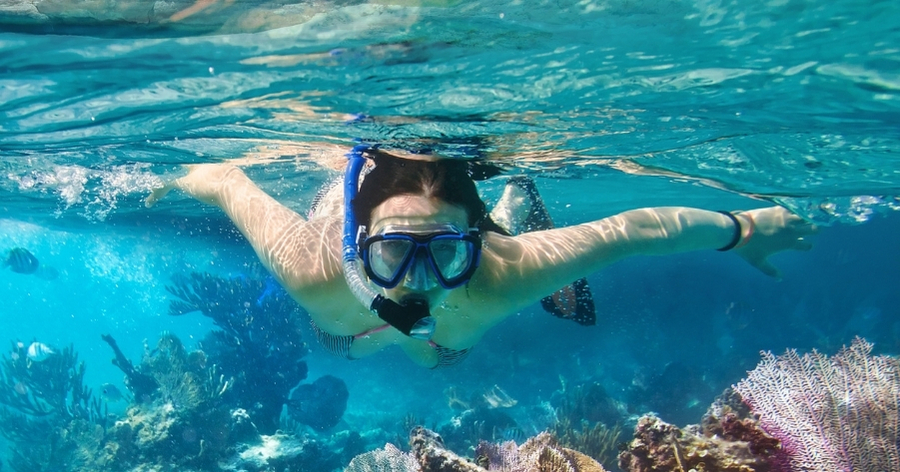
The underwater ecosystem of Isla Mujeres is a moving burst of color. The moment you put on your mask and snorkel, you enter a protected habitat where hundreds of life forms coexist. These are the most common and fascinating species you will spot during your exploration:
Blue Tang (Acanthurus coeruleus): Famous for its vibrant electric blue or violet color. They fulfill a vital biological function: they clean the algae that grow on the corals, allowing the reef to breathe and continue growing.
Sergeant Major (Abudefduf saxatilis): Unmistakable by their five black stripes against a yellow and silver background. They are highly curious, move in large schools, and have the amazing ability to slightly change color to camouflage themselves within the reef environment.
Rainbow Parrotfish (Scarus guacamaia): One of the largest herbivores in the Atlantic. Their "parrot-like" beak allows them to scrape algae off limestone rocks. If you swim quietly, you can hear the underwater crunch of these fish feeding—a beautiful biological process that transforms dead coral into the island's fine white sand.
French and Bluestriped Grunts (Haemulon flavolineatum): Distinguished by their characteristic horizontal or diagonal yellow lines. They usually seek shelter under the ledges of elkhorn corals during the day.
Stingrays and Eagle Rays: On the sandy bottoms connecting the reefs, it is very common to observe stingrays resting under a thin layer of sand. With a little luck in areas where the reef runs deeper, you will see majestic spotted eagle rays "flying" by in a coordinated fashion.
Sea Turtles (Green and Hawksbill): The Mexican Caribbean is a critical nesting and feeding zone for these protected species. Watching a sea turtle glide peacefully among the corals in search of sponges is one of the most moving experiences of local snorkeling.
Logistics and Costs: The Value of a Privileged Location
For the average tourist staying in Cancun or downtown Isla Mujeres, embarking on a professional-grade snorkeling activity requires coordinating strict logistics.
A standard commercial tour booked through local cooperatives or catamaran excursion agencies costs approximately between $45 USD and $90 USD per person (depending on the duration and whether it includes visits to the MUSA underwater museum or Manchones Reef). To this, you must add ferry round-trips, dock fees, and the rigidity of sticking to a group sailing schedule.
The Secret of MÍA REEF: Unlimited Snorkeling at No Cost
There is an alternative where the reef is not a destination you must travel to by boat, but rather the backyard of your room. The MÍA Reef Isla Mujeres hotel enjoys a completely unique and privileged geographical location: it is situated on a private islet connected to Playa Norte.
By being completely surrounded by the natural reef and a natural marine pool of confined waters, the hotel eliminates the need to hire external boats or excursions. For guests of the resort, this exploration activity is completely free of charge.
Snorkeling in Isla Mujeres is about intimately connecting with the pulse of the ocean in one of the most protected and valued ecosystems on the continent. Whether it is admiring a blue tang swimming over sea fans, contemplating the internationally acclaimed sunsets of Playa Norte, or taking advantage of the geographical privilege of exploring the reef directly from MÍA REEF’s private beach, this experience redefines the meaning of a Caribbean vacation. The wealth of marine life is right down there, waiting for you to put on your mask and be amazed.